
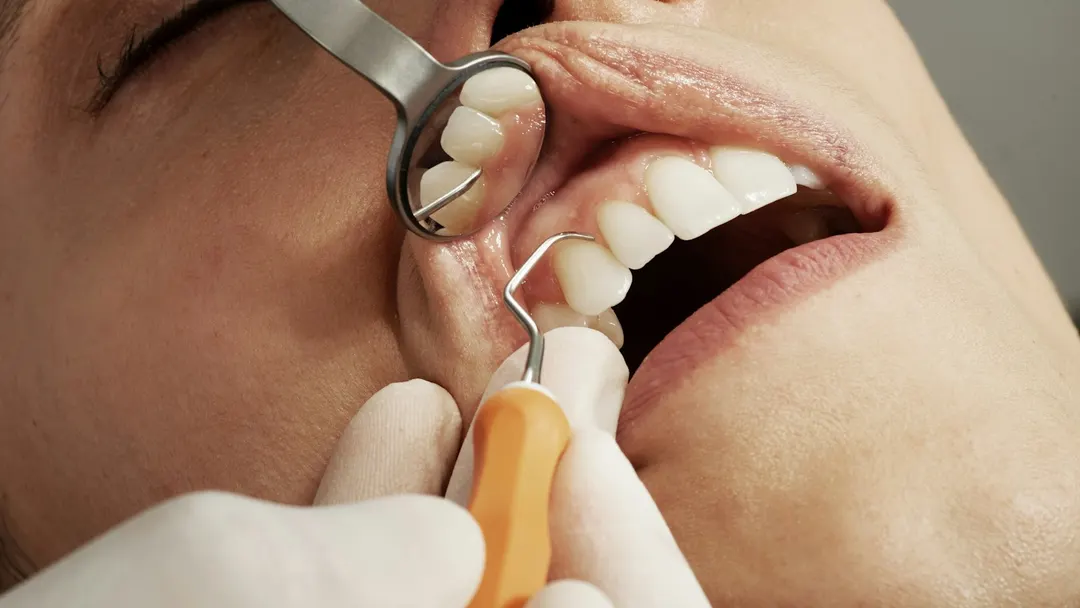
Photo by Caroline LM on Unsplash
A single tooth dental implant replaces one missing tooth with a titanium post, a connector called an abutment, and a custom crown — without touching the healthy teeth on either side. The process typically spans a consultation, the implant placement itself, a healing period while the post fuses with your jawbone, and finally the crown that completes your smile. Most patients find the visit itself far more manageable than they expected.
If you're missing a tooth from an injury, decay, or a failed root canal, it's worth understanding what the process actually involves before you commit. Here's what to expect at each stage, how long healing takes, and what determines whether an implant is the right fit for you.
What Is a Single Tooth Dental Implant?
A dental implant is really three parts working together:
- The implant post: a small titanium screw placed into the jawbone, acting as an artificial tooth root.
- The abutment: a connector piece attached to the post once it has healed, which anchors the crown.
- The crown: the visible, custom-shaded replacement tooth that sits on top.
Because the post is anchored directly in the bone, an implant functions independently — unlike a traditional bridge, which relies on the two neighboring teeth for support and requires grinding them down to hold a connecting piece. For a broader look at how implants compare to other options, see our complete dental implants guide.
Am I a Candidate for a Single Tooth Implant?
Most healthy adults with one missing tooth are reasonable candidates, but a few factors matter most:
Bone density at the site
The jawbone needs enough volume and density to hold the implant securely. If a tooth has been missing for a long time, the bone in that area may have thinned, which is common and can often be addressed with grafting before or during placement.
Gum health
Active gum disease should be treated first, since healthy gum tissue is part of what keeps an implant stable over time.
Overall health and habits
Certain medical conditions and habits like smoking can affect healing, so your dentist will review your health history at your consultation. This isn't necessarily disqualifying — it just shapes the plan.
A 3D scan is the most reliable way to answer the candidacy question for your specific mouth. If you'd rather explore alternatives first, our guide on implants vs. dentures and dental implant services page walk through the other paths.
The Single Tooth Implant Process, Step by Step
1. Consultation and 3D imaging
Your visit starts with an exam and a 3D cone-beam scan, which maps your jawbone in detail and lets your dentist plan the exact position, angle, and depth for the implant before any surgery happens.
2. Extraction and bone grafting, if needed
If the damaged tooth is still present, it's removed first. Depending on the bone volume at the site, grafting material may be placed to rebuild the jaw so it can properly support an implant — sometimes at the same visit, sometimes as a separate step months earlier.
3. Implant placement
The titanium post is placed into the jawbone under local anesthesia. Many patients describe the sensation as comparable to, or easier than, having a tooth pulled. A protective cap or temporary tooth may be placed over the site while it heals.
4. Healing and osseointegration
This is the phase that takes the most patience: the bone gradually fuses to the implant surface in a process called osseointegration. Your dentist will monitor healing and confirm the implant is stable before moving forward.
5. Abutment and crown placement
Once healing is complete, the abutment is attached and a custom crown — shaded and shaped to match your surrounding teeth — is fitted and secured. From here, the implant functions much like a natural tooth.
Not Sure If It's an Implant Situation?
If your tooth is cracked, aching, or recently knocked loose rather than already missing, start with our guides on toothache causes and relief or how long a dental crown lasts to understand your options before assuming extraction is necessary.
Recovery Timeline: What Healing Looks Like Week by Week
Recovery varies by patient, but here's a general pattern many people experience:
- First 24–48 hours: Mild swelling, tenderness, and possibly minor bruising at the site. Soft foods and over-the-counter or prescribed pain relief typically manage this well.
- First week: Discomfort usually eases noticeably. Most patients return to normal routines within a few days, avoiding hard or crunchy foods near the implant site.
- Following months: The implant continues fusing with the bone beneath the gum line, with no visible signs on the surface. Follow-up visits confirm progress.
- Final restoration: Once healing is confirmed, the abutment and crown are placed, completing the process.
Every mouth heals on its own schedule, and your dentist will give you a timeline specific to your case rather than a generic estimate.
Caring for Your New Implant
An implant crown doesn't get cavities, but the gum and bone around it still need care. Brush and floss the area like you would a natural tooth, and keep up with regular cleanings and checkups so your dentist can catch any early signs of gum inflammation around the implant. Good home care is one of the biggest factors in how well an implant holds up over the years.
Why Patients Choose American Dental Group
Implants at American Dental Group are placed by Dr. Homan Hanasab, a board-certified periodontist and dental implant specialist who also serves as the official LA Clippers Team Dentist, with more than 25 years of experience. Patients throughout West Covina, Covina, Baldwin Park, El Monte, La Puente, Hacienda Heights, Rowland Heights, and Walnut come to our West Covina office for implant care built around 3D imaging and a personalized treatment plan for every case. If cost is a question on your mind, our dental implant cost guide explains what factors into a quote — we provide a personalized written estimate at your consultation, with no guesswork.
Schedule your single tooth implant consultation with American Dental Group or call us at (626) 337-7271 to get started.
Frequently Asked Questions
What is a single tooth dental implant?
A single tooth dental implant replaces one missing tooth with a titanium post placed in the jawbone, topped with a connector called an abutment and a custom-made crown. Unlike a bridge, it stands on its own and does not require reshaping the healthy teeth next to the gap.
How long does a single tooth implant take from start to finish?
Timelines vary by patient, but most single tooth implants take a few months from placement to final crown, since the post needs time to fuse with the jawbone before the crown is attached. Cases that also need an extraction or bone grafting first can take longer. Your dentist will map out a timeline specific to your mouth at your consultation.
Does getting a single tooth implant hurt?
Implant placement is done with local anesthesia, and many patients describe the experience as similar to or easier than a tooth extraction. Mild soreness and swelling for a few days afterward is common and can usually be managed with over-the-counter pain relief or medication your dentist recommends.
Will I need a bone graft for a single tooth implant?
Not always. A bone graft may be recommended if the jawbone at the implant site has thinned, which can happen after a tooth has been missing for a while. A 3D scan at your consultation shows whether the bone is dense enough to support an implant on its own or whether grafting should come first.
How do I care for a single tooth implant?
An implant crown is brushed and flossed like a natural tooth. Keeping the surrounding gum tissue healthy through daily hygiene and regular dental visits is one of the biggest factors in how well an implant holds up over time.
Is a single tooth implant better than a bridge?
Implants and bridges both replace a missing tooth, but a bridge relies on the two neighboring teeth for support and requires reshaping them, while an implant stands independently and can help preserve the jawbone underneath. Which option makes sense depends on the condition of your adjacent teeth, your bone health, and your goals — your dentist can walk through the tradeoffs with you.