
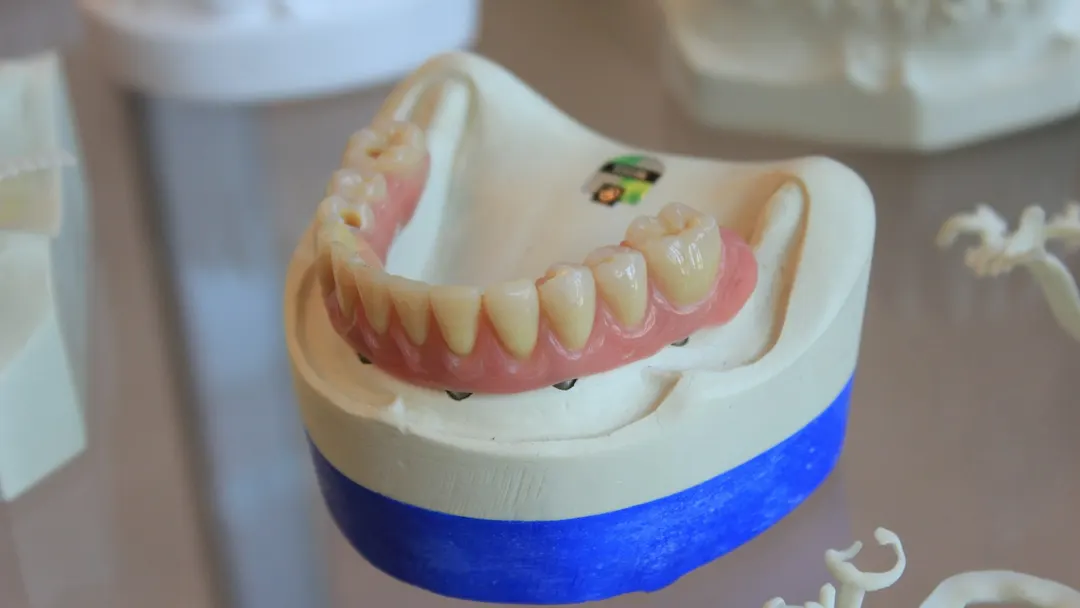
Photo by Quang Tri NGUYEN on Unsplash
Missing teeth don't just affect your smile—they change how you eat, speak, and feel about yourself every single day. Whether you've lost one tooth or several, you're facing a choice between solutions that might slip, shift, or simply never feel quite right. Dental implants offer something different: a permanent replacement that functions exactly like your natural teeth.
This guide walks you through everything you need to know about getting dental implants in West Covina, from understanding the procedure to choosing the right provider for your specific needs.
What Are Dental Implants and How Do They Work?
A dental implant consists of three distinct components working together to replicate your natural tooth structure:
- Titanium post: Serves as an artificial tooth root, surgically placed into your jawbone where it creates a foundation strong enough to support normal chewing forces.
- Abutment: Connects the titanium post to the visible crown.
- Crown: Custom-crafted to match your existing teeth in color, shape, and size.
The magic happens during osseointegration, a process where your jawbone actually grows around and fuses with the titanium implant. This biological bonding typically takes three to six months and creates a connection stronger than many natural tooth roots.
Unlike bridges or dentures that rest on top of your gums, implants become part of your jaw structure. This integration allows implants to function identically to natural teeth. You'll bite with the same force, chew the same foods, and never worry about movement or slippage. Many people forget which teeth are implants within months of completion.
Common Misconception
One persistent myth suggests that implants require more maintenance than natural teeth. Actually, implant care mirrors your regular oral hygiene routine—brushing, flossing, and regular dental visits. The crown portion can't develop cavities, though the surrounding gum tissue still needs proper care to prevent infection.
Are You a Candidate for Dental Implants?
Successful implant placement depends primarily on adequate bone density in your jaw. Your jawbone needs sufficient height, width, and thickness to securely hold the titanium post. If you've been missing teeth for years, natural bone resorption may have reduced your bone volume, though this doesn't automatically disqualify you from implants.
Your overall health plays a crucial role in healing and long-term success:
- Diabetes: Uncontrolled diabetes can impair the osseointegration process
- Heart conditions: Certain conditions or blood thinning medications may complicate surgery
- Smoking: Heavy smoking significantly reduces implant success rates because nicotine restricts blood flow to healing tissues
Age works in your favor rather than against you. Most patients over 18 with fully developed jaws can receive implants, and there's no upper age limit for healthy individuals. An 85-year-old with good bone density and overall health often makes a better candidate than a 40-year-old with poor oral hygiene habits.
When Implants May Not Be Recommended
- Active gum disease remains untreated
- During cancer treatment involving jaw radiation
- For patients unable to maintain proper oral hygiene
- Certain rare bone disorders or recent jaw trauma
The Dental Implant Procedure: What to Expect
Step 1: Comprehensive Imaging and Treatment Planning
Your implant journey begins with comprehensive imaging and treatment planning. Digital X-rays and CT scans map your jaw structure, revealing bone density, nerve locations, and sinus positions. This planning phase determines exact implant placement angles and identifies whether you'll need additional procedures like bone grafting.
Step 2: Implant Surgery
Implant surgery itself typically takes 30 to 90 minutes per implant under local anesthesia. Your surgeon creates a precise opening in the jawbone, places the titanium post, and covers it with a protective cap. Most patients describe the discomfort as less intense than tooth extraction, with manageable soreness lasting two to three days.
Step 3: Osseointegration Period
The waiting period tests your patience but ensures long-term success. Osseointegration requires three to six months, during which you'll wear a temporary restoration if the implant site is visible. Your jaw gradually strengthens its bond with the implant during this critical healing phase.
Step 4: Crown Placement
Crown placement marks the final step once your surgeon confirms successful integration. An abutment connects to your healed implant, and impressions capture your bite for crown fabrication. The custom crown attaches two weeks later, completing your restoration process.
Recovery and Aftercare Essentials
First 48 Hours
The first 48 hours after surgery set the foundation for successful healing:
- Apply ice packs for 20-minute intervals to minimize swelling
- Stick to soft foods
- Avoid disturbing the surgical site
- Most patients return to work within one to two days
- Heavy lifting should wait a full week
Long-Term Healing
Initial tissue healing completes within two weeks, but complete osseointegration continues for months afterward. Maintain excellent oral hygiene around the healing site while avoiding aggressive brushing directly over the implant area.
Warning Signs to Watch For
Contact your surgeon immediately if you experience severe pain increasing after day three, excessive bleeding that doesn't respond to pressure, or signs of infection like fever or pus. These symptoms are uncommon but require prompt professional evaluation to prevent complications.
Dental Implant Costs in West Covina
The cost of a dental implant in West Covina depends on the specifics of your case, so there's no single flat price. A complete single-tooth implant includes the surgical placement, abutment, crown fabrication, and follow-up visits. Premium materials or complex cases requiring specialized techniques are reflected in the estimate. The most reliable way to know your investment is a consultation and 3D scan, after which we provide a firm, written estimate before treatment begins. For a deeper look at what drives the number, see our dental implant cost guide.
Factors That Influence Your Final Cost
- Bone grafting: Adds to the total when the jaw needs rebuilding before placement, depending on the graft type and volume needed
- Multiple implants: Often reduce per-unit costs through treatment efficiencies
- Immediate placement: Following tooth extraction may save money by combining procedures but isn't suitable for every situation
Insurance and Financing Options
Dental insurance coverage for implants has improved significantly, with many plans now covering a portion of the procedure or providing annual maximums that offset part of treatment costs. Some insurance companies classify implants as major restorative work rather than cosmetic procedures, improving coverage possibilities. Our team verifies your specific benefits before treatment.
Financing options make implant treatment accessible regardless of your budget timeline:
- In-house payment plans with zero-percent interest
- Third-party healthcare financing with extended payment terms
- CareCredit and similar programs often approve patients with moderate credit scores, with promotional interest-free terms for qualified patients
Choosing the Right Dental Implant Provider
Credentials and Experience Matter
Look for providers with specific implant training beyond general dentistry education. Board certification in oral surgery, periodontics, or prosthodontics indicates specialized expertise in implant procedures. Experience matters more than credentials alone—surgeons who place hundreds of implants annually develop skills and problem-solving abilities that benefit complex cases.
Technology Makes a Difference
Modern implant technology significantly improves outcomes and patient comfort. Digital treatment planning software allows precise implant positioning before surgery begins. Guided surgery systems transfer this digital plan to physical surgery, reducing procedure time and improving accuracy. Practices investing in current technology typically deliver more predictable results.
Questions to Ask During Your Consultation
- What are your success rates with cases similar to mine?
- Do you have before-and-after photos of actual patient cases?
- Will I need bone grafting or have challenging anatomy?
- What specific treatment approach do you recommend and why?
Red Flags to Avoid
Avoid practices that pressure immediate decisions, quote unusually low prices without examining your specific needs, or seem reluctant to discuss potential complications. Reputable implant providers encourage second opinions and provide detailed treatment plans with transparent pricing before asking for treatment commitments.
Making Your Dental Implant Decision
Choosing dental implants represents an investment in your long-term oral health and quality of life. The combination of permanent tooth replacement, preserved jaw bone, and natural function makes implants the gold standard for most missing tooth situations. Success depends on selecting an experienced provider who understands your individual needs and can guide you through the complete treatment process.
American Dental Group brings years of implant expertise to West Covina patients, combining advanced technology with personalized care to help you achieve the confident smile you deserve.
Contact American Dental Group today to schedule your dental implant consultation and take the first step toward restoring your smile.
Frequently Asked Questions
How long do dental implants last?
Dental implants can last 25 years or longer with proper care and maintenance. The titanium post often lasts a lifetime, while the crown may need replacement after 15-20 years due to normal wear.
Is the dental implant procedure painful?
Most patients experience minimal discomfort during implant surgery under local anesthesia. Post-surgical soreness typically lasts 2-3 days and responds well to over-the-counter pain medications.
Can I eat normally with dental implants?
Yes, dental implants restore full chewing function once healing is complete. You can eat all your favorite foods without restrictions, unlike with dentures that may limit certain foods.
What's the difference between implants and dentures?
Implants are permanently fixed in your jaw and function like natural teeth, while dentures are removable appliances that rest on your gums. Implants provide superior stability, comfort, and chewing ability.
How soon can I get dental implants after tooth extraction?
Immediate implant placement is possible in some cases, while others require 3-6 months of healing time. Your surgeon determines the best timing based on infection presence, bone quality, and extraction complexity.