
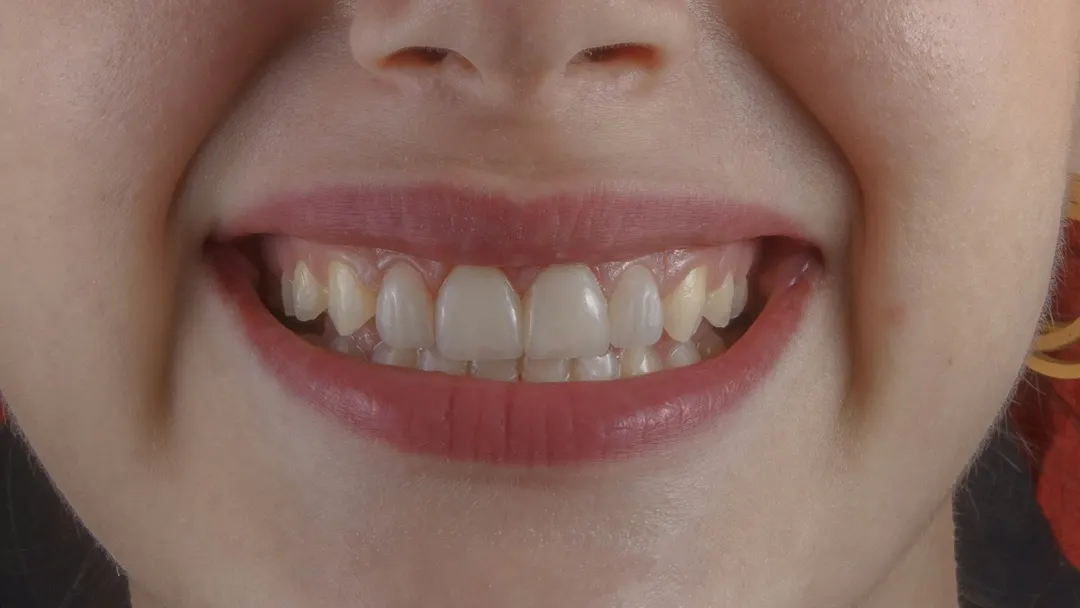
Photo by Ozkan Guner on Unsplash
Gingivitis and periodontitis are two different stages of the same disease, and the distinction matters more than most patients realize. Gingivitis is early, reversible inflammation of the gum tissue. Periodontitis is what happens when that inflammation is left untreated long enough to start breaking down the bone and ligaments that hold your teeth in place — damage that generally cannot be undone. Knowing which stage you're at determines whether a better toothbrush routine will fix things, or whether you need professional periodontal treatment.
Both conditions start the same way, with plaque along the gumline, which is exactly why they're so often confused. Here's how to tell them apart, what's happening beneath the surface, and what treatment looks like at each stage.
What Is Gingivitis?
Gingivitis is inflammation confined to the gum tissue itself. It develops when plaque — the sticky film of bacteria that forms on teeth every day — isn't fully removed by brushing and flossing. Left in place, plaque irritates the gums, causing them to become red, swollen, and prone to bleeding, particularly when you brush or floss.
The key thing that defines gingivitis is what it doesn't yet involve: the bone and connective tissue anchoring your teeth are still intact. That's what makes gingivitis reversible. With more thorough home care and a professional cleaning to remove hardened plaque (tartar), gum tissue typically returns to a healthy pink color within a few weeks. If you've noticed pink in the sink after brushing, our guide to bleeding gums and when to worry walks through what that symptom usually means.
What Is Periodontitis?
Periodontitis is what gingivitis can become if it isn't addressed. Bacteria work their way below the gumline, and the body's inflammatory response to that infection begins to break down the bone and periodontal ligament that keep teeth anchored in the jaw. As that support structure erodes, small pockets form between the tooth and gum where bacteria continue to collect, out of reach of a toothbrush.
According to the National Institute of Dental and Craniofacial Research, an estimated 42% of U.S. adults age 30 and older have some form of periodontitis, making it one of the most common chronic conditions dentists see. Unlike gingivitis, periodontitis involves permanent changes: lost bone and gum tissue don't regenerate on their own. Left untreated, it's the leading cause of adult tooth loss. For a deeper look at how the disease progresses and its later stages, see our full guide to gum disease signs and treatment.
Gingivitis vs. Periodontitis, Side by Side
| Gingivitis | Periodontitis | |
|---|---|---|
| What's affected | Gum tissue only | Gum tissue, bone, and ligaments |
| Bleeding gums | Common, especially when brushing | Common, sometimes without brushing |
| Gum pockets | Not present | Present and can deepen over time |
| Tooth mobility | None | Can occur in moderate to severe cases |
| Reversible? | Yes, with improved care | No — but progression can be managed |
The Symptom That Doesn't Lie
Receding gums, a longer-looking tooth, or teeth that feel slightly loose are signs the disease has already moved past gingivitis. If you've noticed your gums pulling back, read our guide on receding gums, causes, and treatment to understand what's happening and when to see a periodontist.
Why the Difference Matters for Treatment
Because gingivitis hasn't damaged the bone yet, treatment is often as simple as a professional cleaning paired with better daily habits at home. Periodontitis requires more targeted care because the infection sits below the gumline, out of reach of routine brushing.
Treating gingivitis
A standard dental cleaning removes plaque and tartar above and slightly below the gumline. Combined with consistent brushing twice a day, daily flossing, and follow-up checkups, gum tissue usually heals on its own without any deeper intervention.
Treating periodontitis
Once the disease has progressed, a routine cleaning isn't enough to reach bacteria hiding in deeper pockets. Most patients need scaling and root planing, a deep cleaning that removes plaque and tartar from below the gumline and smooths the tooth root so the gum can reattach more securely. Depending on how much bone loss has occurred, some patients also benefit from more frequent periodontal maintenance visits — often every three to four months instead of the typical six — to keep the disease from advancing further.
In more advanced cases where teeth have already been lost to periodontal disease, dental implants can restore both function and appearance once the underlying gum disease is under control.
What Causes Gum Disease to Progress?
Not everyone with gingivitis develops periodontitis, but certain factors make progression more likely:
- Inconsistent brushing and flossing, which allows plaque to harden into tartar that a toothbrush can't remove.
- Smoking or vaping, which impairs gum healing and is one of the strongest risk factors for periodontitis.
- Diabetes, which can make it harder for the body to fight the bacterial infection driving gum disease.
- Hormonal changes, such as pregnancy or menopause, which can make gum tissue more sensitive to plaque.
- Genetics, since some people are more prone to periodontal disease even with good home care.
- Skipping regular dental checkups, which lets early inflammation go unnoticed and untreated.
How to Protect Your Gums
Whether you're managing gingivitis or working to prevent periodontitis from progressing, the daily habits are largely the same:
- Brush twice a day for two minutes with a soft-bristled brush, angling the bristles toward the gumline.
- Floss once a day to remove plaque between teeth, where a toothbrush can't reach.
- Keep regular checkups and cleanings, generally every six months, so early inflammation is caught before it advances.
- Avoid tobacco products, which slow healing and mask early bleeding that would otherwise be a warning sign.
- Tell your dentist about changes in your health, such as a new diabetes diagnosis or pregnancy, since these can affect your gum disease risk.
If you live in West Covina, Covina, Baldwin Park, El Monte, La Puente, Hacienda Heights, Rowland Heights, or Walnut and you've noticed red, swollen, or bleeding gums, don't wait to see whether it resolves on its own. A short exam is the only reliable way to tell whether you're dealing with gingivitis that better home care can reverse, or periodontitis that needs professional treatment to keep from progressing further.
Schedule a periodontal evaluation with American Dental Group today, or call us at (626) 337-7271 to get your gum health checked before small inflammation becomes a bigger problem.
Frequently Asked Questions
What is the main difference between gingivitis and periodontitis?
Gingivitis is inflammation limited to the gum tissue, caused by plaque buildup along the gumline. It typically causes redness, swelling, and bleeding, but the bone and ligaments holding your teeth in place are not yet affected. Periodontitis is a more advanced stage where that inflammation has spread below the gumline and begun breaking down the bone and connective tissue that anchor your teeth, which can lead to gum recession, loose teeth, and eventually tooth loss if it is not treated.
Can gingivitis turn into periodontitis?
Yes, if gingivitis is left untreated, it can progress into periodontitis, though not everyone with gingivitis develops it. Left in place, plaque hardens into tartar that irritates the gums further, allowing bacteria to work their way beneath the gumline and begin affecting the bone. Catching and treating gingivitis early through improved home care and professional cleanings is the most effective way to prevent that progression.
Is gingivitis reversible?
In many cases, yes. Because gingivitis has not yet damaged the bone or ligaments supporting your teeth, consistent brushing and flossing combined with a professional cleaning can often resolve the inflammation and bleeding within a few weeks. Periodontitis, by contrast, involves bone and tissue loss that generally cannot be fully reversed, which is why treating gingivitis promptly matters so much.
What are the first signs of gum disease I should watch for?
The earliest signs are usually gums that look red or puffy rather than a healthy pink, and gums that bleed when you brush or floss. Persistent bad breath and tenderness along the gumline are also common early indicators. These are the signs of gingivitis, and they are your cue to see a dentist before the condition has a chance to progress.
How is periodontitis treated?
Periodontitis is typically treated with scaling and root planing, a deep cleaning that removes plaque and tartar from below the gumline and smooths the tooth root so gums can reattach more easily. More advanced cases may need additional periodontal therapy or ongoing maintenance cleanings at shorter intervals than a routine checkup. Your dentist will advise on the right approach based on how much bone and tissue loss has occurred.
How often should I get checked for gum disease?
Most patients should have their gums evaluated at every routine dental visit, generally every six months, since gum disease often progresses without pain in its early stages. Patients with a history of gingivitis, periodontitis, or risk factors like smoking or diabetes may be advised to come in more frequently for periodontal maintenance.