
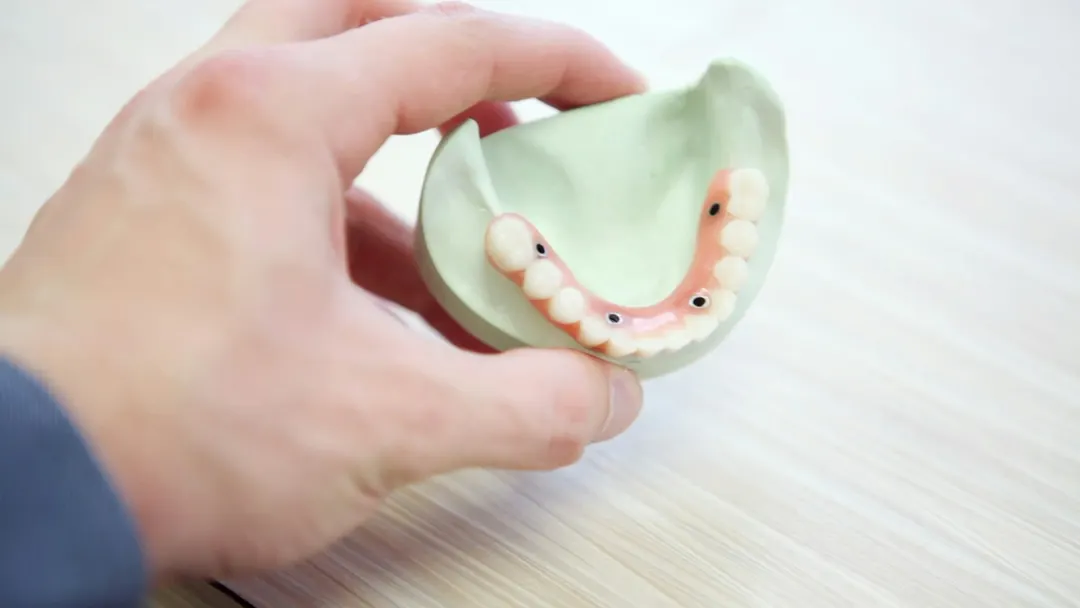
Photo by Matthew Poetker on Unsplash
All-on-4 is a full-arch tooth replacement technique that anchors a complete, fixed set of teeth on as few as four implants per jaw — often letting patients leave surgery the same day with a temporary bridge already in place. It's designed for people missing most or all of their teeth in an arch, or whose remaining teeth are failing beyond repair, and who want a permanent alternative to a removable denture. The process runs from consultation through healing to a final custom bridge, typically over several months.
If you're weighing All-on-4 against dentures or individual implants, here's what the treatment actually involves, what shapes the cost, and what recovery looks like for patients here in West Covina and the San Gabriel Valley.
What Is the All-on-4 Technique?
The "4" in All-on-4 refers to the number of implants used to support an entire arch of replacement teeth — typically four, though some cases use additional implants depending on bone quality and the treatment plan. Two implants are placed toward the front of the jaw, where bone is usually denser, and two are angled toward the back to maximize contact with available bone and avoid structures like the sinus cavity or nerve canals. This angled placement is part of what allows many patients to become candidates even after years of bone loss, without always needing a separate bone graft first.
A note on the name: you will also see this treatment called All-on-X. The “4” is a brand name rather than a fixed count — the number of implants is set by your bone volume and bite, commonly four to six per arch, and is decided from your 3D scan during planning. The final restoration is a single full-arch zirconia bridge either way, not separate crowns on each implant.
Once the four implants are placed, a fixed prosthetic arch is attached, replacing an entire row of teeth in one connected piece. Unlike a removable denture, this bridge doesn't come out for cleaning — it functions much closer to natural teeth, and your dentist cares for it chairside at follow-up visits. Our All-on-4 dental implants page covers how the procedure is performed at our West Covina office.
Am I a Candidate for All-on-4?
All-on-4 is generally considered for patients who:
- Are missing most or all of the teeth in an upper or lower arch
- Have remaining teeth that are failing due to decay, gum disease, or fracture
- Currently wear a full or partial denture and want a fixed alternative
- Have experienced jawbone loss that might otherwise rule out traditional implants
Because the technique uses angled implants to engage denser bone, many long-term denture wearers who were told they "didn't have enough bone" for traditional implants turn out to be candidates for All-on-4 after all. That said, general health, gum condition, and bone volume all factor in, so a consultation with 3D imaging is the only reliable way to confirm All-on-4 candidacy. Read more about what makes someone a candidate for dental implants in general.
Wondering If Extraction Is Necessary?
In many cases, failing teeth can be removed and implants placed in the same visit, avoiding a separate healing period before treatment begins. Your dentist will let you know if your case is a good fit for this approach after examining your X-rays and 3D scan.
The All-on-4 Process, Step by Step
Step 1: Consultation and 3D Imaging
Your first visit includes a clinical exam and a 3D CT scan of your jaw. This imaging shows bone density and volume, the position of nerves and sinuses, and helps your dentist plan exactly where each implant should go before surgery ever begins. At American Dental Group, this planning is led by Dr. Homan Hanasab, a board-certified periodontist and dental implant specialist.
Step 2: Extractions and Implant Placement
If any remaining teeth in the arch need to come out, extractions are often completed in the same appointment as implant placement. The four implants are then positioned using the plan from your 3D scan — two in the front, two angled toward the back of the jaw.
Step 3: Temporary Fixed Bridge
A provisional, fixed bridge is typically attached to the implants the same day or shortly after surgery. This lets you leave with a functional, natural-looking set of teeth while the implants heal underneath, rather than going without teeth during recovery.
Step 4: Healing and Osseointegration
Over the following months, the implants gradually fuse with the jawbone in a process called osseointegration. This is the foundation that gives All-on-4 its long-term stability, and it's why patients are asked to stick to a softer diet and attend follow-up visits during this window.
Step 5: The Final Bridge
Once healing is confirmed, the temporary bridge is replaced with a custom, permanent one made from durable materials such as zirconia. This final bridge is fitted and adjusted for bite and appearance before you leave with your completed smile.
What Affects the Cost of All-on-4 in West Covina
Every All-on-4 case is different, so we don't quote a flat price online — instead, we provide a personalized written estimate at your consultation once we understand your specific case. Several factors typically influence that number:
- Whether extractions are needed before or during implant placement
- Bone grafting, if additional support is required in certain areas
- Whether one or both arches are being treated
- The materials used for your final bridge, such as zirconia versus other options
- Imaging, anesthesia, and follow-up visits included in your plan
- Insurance coverage, which our team verifies before treatment begins
For a broader look at how implant pricing works and what's included in a complete treatment plan, see our dental implant cost guide. We also offer in-house payment options and financing such as CareCredit to help spread the investment over time.
Recovery Timeline: What to Expect
Recovery from All-on-4 surgery follows a general pattern, though your dentist will tailor guidance to your case:
- First few days: Swelling and soreness are common and are usually managed with prescribed or over-the-counter medication and ice. Most patients rest for several days after surgery.
- First 1–2 weeks: A soft-food diet supports healing around the implant sites. Discomfort typically eases considerably during this window.
- Following months: As osseointegration progresses, you'll return for periodic check-ins so your dentist can confirm the implants are healing and stable.
- Final bridge placement: Once healing is complete, your permanent bridge is placed and adjusted, completing the process.
Aftercare matters just as much as the surgery itself. For detailed guidance on caring for healing implants, see our post-op care instructions for dental implants.
A Note on Long-Term Outcomes
A study published in the Journal of the American Dental Association followed patients with All-on-4-style implants in the lower jaw for up to 10 years and found high implant and prosthesis survival over that period. Individual results vary, and long-term success depends heavily on bone quality, oral hygiene, and regular follow-up care — your dentist can speak to what's realistic for your specific case. (Source: PubMed / JADA)
All-on-4 vs. Traditional Dentures
Patients often ask how All-on-4 compares with a conventional removable denture. The core difference is stability: All-on-4 teeth are fixed to implants and don't rely on suction, adhesive, or a snug gum fit, so they don't shift while chewing or speaking the way a loose denture can. Because the implants stimulate the jawbone the way natural tooth roots do, All-on-4 can also help slow the bone loss that tends to accelerate under a conventional denture, which rests directly on the gum ridge. For a deeper comparison of these two paths, our complete dental implants guide walks through how implant-based options stack up against removable appliances.
Is All-on-4 Right for You?
All-on-4 tends to appeal most to patients who want to avoid the inconvenience of a removable denture, who have already lost most of their teeth in an arch, or whose remaining teeth are beyond saving. It isn't the right fit for everyone — some patients are better candidates for single-tooth implants, an implant-supported bridge, or traditional dentures, depending on how many teeth need replacing and their bone health. The only way to know which approach fits your mouth, your budget, and your goals is a consultation and 3D scan.
Schedule an All-on-4 consultation with American Dental Group to find out if you're a candidate and get a personalized written treatment plan.
See our full All-on-4 dental implants service page for the treatment overview, comparison against dentures, and answers to cost and insurance questions. We also serve patients from Covina, Baldwin Park, and El Monte.
Frequently Asked Questions
What is the All-on-4 dental implant technique?
All-on-4 is a full-arch tooth replacement method that anchors a complete, fixed set of upper or lower teeth on as few as four strategically placed implants per arch (commonly four to six, which is why it is also called All-on-X). It's designed for patients who are missing most or all of their teeth in an arch, or whose remaining teeth are failing, and who want a permanently attached alternative to a removable denture.
How long does the All-on-4 process take from start to finish?
Many patients leave surgery the same day with a temporary fixed bridge, but full healing and osseointegration generally takes several months before the final, permanent bridge is placed. Your dentist will advise on a timeline based on your bone quality, healing progress, and whether extractions were needed.
Am I a candidate for All-on-4 if I've been missing teeth for years?
Many long-term denture wearers and patients with significant bone loss are still candidates, since All-on-4 is designed to work with the denser bone that typically remains at the front of the jaw. A consultation with 3D imaging is the only way to confirm candidacy and rule out the need for additional grafting.
What determines the cost of All-on-4 implants in West Covina?
Cost depends on factors such as whether extractions or bone grafting are needed, the materials used for the final bridge, whether one or both arches are treated, and imaging and anesthesia needs. We provide a personalized written estimate at your consultation once these factors are known.
Is All-on-4 recovery painful?
Most patients report manageable discomfort and swelling in the first few days, similar to other oral surgery, which your dentist can help you control with medication and aftercare guidance. Discomfort typically eases within a week or two as the surgical sites begin to heal.
How is All-on-4 different from traditional dentures?
Unlike removable dentures, All-on-4 teeth are fixed in place on implants, so they don't rely on suction or adhesive and don't shift while eating or speaking. All-on-4 implants also help preserve jawbone, while conventional dentures rest on the gums and can accelerate bone loss over time.