
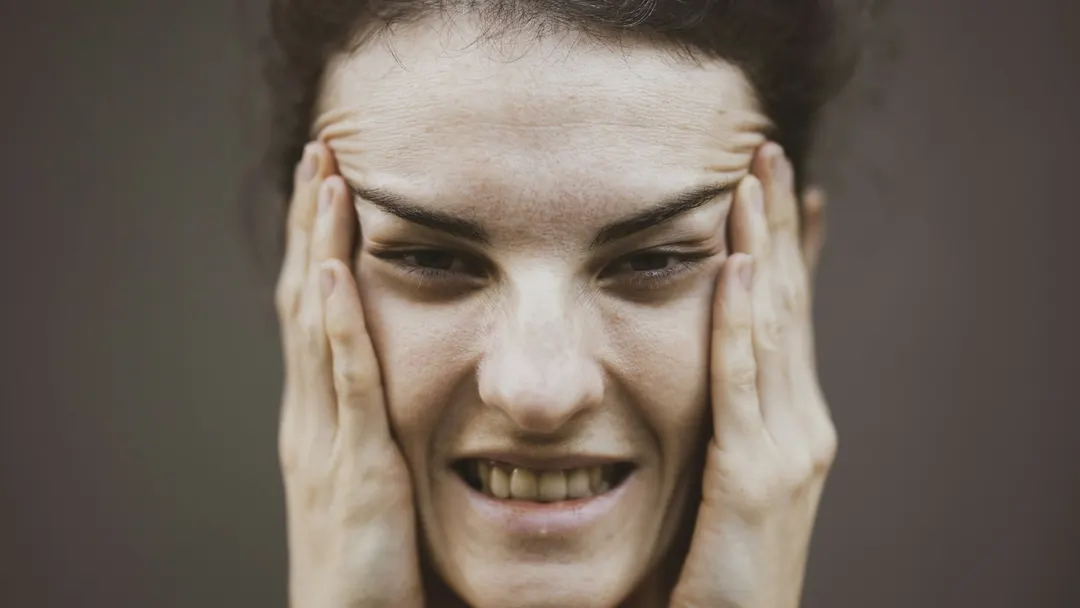
Photo by engin akyurt on Unsplash
TMJ disorder is a catch-all term for pain and dysfunction in the jaw joint and the muscles that control it — and if your jaw clicks, aches, or gets stuck when you chew or yawn, it's one of the more common reasons people end up searching for a dentist. The good news is that most cases respond well to conservative, non-surgical treatment once the underlying cause is identified. This guide covers what causes TMJ disorder, how to recognize it, and the treatment options available right here in West Covina.
What Is TMJ Disorder?
Your temporomandibular joints, or TMJs, are the sliding hinges that connect your lower jaw to your skull, one just in front of each ear. They let you talk, chew, and yawn, and they work in coordination with a group of muscles that control jaw movement. "TMJ disorder" (sometimes written TMD) describes a range of problems affecting that joint, the surrounding muscles, or both.
According to the National Institute of Dental and Craniofacial Research, TMJ disorders are estimated to affect a meaningful share of U.S. adults, and they occur more often in women than in men. Symptoms can range from a barely noticeable clicking sound to jaw pain severe enough to limit chewing and speaking.
Common Causes of TMJ Disorders
TMJ disorder rarely has one single cause. In most cases, it's a combination of factors that place extra strain on the joint or the surrounding muscles over time.
Teeth grinding and clenching (bruxism)
Repeated grinding or clenching, especially at night, is one of the most frequent contributors to TMJ symptoms. It places sustained pressure on the joint and can leave the jaw muscles sore and fatigued by morning. If you wake up with a tired or tight jaw, read more about the signs of teeth grinding and when a night guard can help.
Jaw injury or trauma
A direct blow to the jaw, whiplash, or dental trauma can damage the joint's disc or supporting ligaments, sometimes leading to symptoms that appear weeks or months later.
Arthritis
Like other joints in the body, the TMJ can be affected by osteoarthritis or rheumatoid arthritis, which can wear down the joint's cartilage over time.
Bite misalignment
When the upper and lower teeth don't come together evenly, the jaw muscles may have to work harder or shift position to find a comfortable bite, which can strain the joint over time.
Stress and muscle tension
Chronic stress often shows up physically as jaw clenching or tightening, even during the day, and can contribute to or worsen TMJ symptoms.
Signs & Symptoms to Watch For
TMJ disorder can show up in ways that don't always feel like they're coming from your jaw. Common signs include:
- Jaw pain or soreness, especially near the ears or along the jawline
- Clicking, popping, or grating sounds when opening or closing your mouth
- A jaw that locks or feels stuck in an open or closed position
- Difficulty or discomfort chewing, particularly with tougher foods
- Frequent headaches, often centered around the temples
- Ear pain, ringing, or a feeling of fullness without signs of an ear infection
- Facial fatigue or tightness by the end of the day
When It's More Than "Just Stress"
Occasional jaw tightness after a stressful week is common. But recurring pain, a jaw that locks, or headaches that show up alongside jaw symptoms are worth having evaluated rather than managed with over-the-counter pain relievers alone.
How TMJ Disorder Is Diagnosed
There's no single test that confirms TMJ disorder on its own. Instead, diagnosis is built from a few pieces of information gathered during your visit:
- A review of your symptoms, when they started, and what makes them better or worse
- A physical exam checking your jaw's range of motion, joint sounds, and muscle tenderness
- An assessment of your bite and how your teeth come together
- Imaging, if needed, to look more closely at the joint and rule out other causes of facial pain
Because jaw pain can sometimes overlap with dental issues like a cracked tooth or an emerging wisdom tooth, a thorough exam helps rule those out first. If your pain came on suddenly and severely, our guide on toothache causes and relief can help you sort out whether it's likely dental or joint-related before your visit.
Treatment Options for TMJ Disorder
Most TMJ cases improve with conservative care, and treatment is generally staged from the least invasive options first.
Self-care and lifestyle changes
Softer foods, smaller bites, applying warm or cold compresses, and consciously relaxing the jaw during the day can ease mild symptoms. Avoiding excessive gum chewing and wide yawns can also reduce strain on the joint while it heals.
Custom oral appliances
A night guard or occlusal splint, custom-fitted to your bite, is one of the most common and effective first-line treatments. It's worn while you sleep and is designed to reduce the pressure grinding and clenching place on the joint and muscles.
Bite adjustment
When a bite misalignment is a contributing factor, your dentist may recommend adjusting how your teeth meet, whether through minor reshaping, restorative work, or coordinating with orthodontic treatment such as clear aligners or braces for a more comprehensive correction.
Physical therapy and jaw exercises
Targeted stretches and strengthening exercises, sometimes guided by a physical therapist experienced in TMJ care, can improve range of motion and reduce muscle tension.
Medication
Anti-inflammatory medication or muscle relaxants may be recommended short-term to manage a flare-up while other treatments take effect. Your dentist will advise on what's appropriate for your situation.
Advanced or surgical options
For the small percentage of cases that don't respond to conservative treatment, more advanced interventions may be considered. These are typically reserved for structural joint problems and are discussed only after simpler approaches have been tried.
TMJ and Sleep: Why the Connection Matters
Many TMJ symptoms are worst first thing in the morning, which is a strong clue that nighttime habits like grinding or clenching are playing a role. Some patients with TMJ symptoms also have coexisting sleep-disordered breathing, and treating one can sometimes improve the other. Our team, led by Dr. Homan Hanasab, reviews your symptoms as part of a comprehensive exam and can help determine whether an oral appliance, a referral for a sleep evaluation, or another approach fits your situation best.
When to See a Dentist in West Covina
Reach out for an evaluation if you notice:
- Jaw pain or clicking that lasts more than a week or two
- A jaw that locks open or shut, even briefly
- Headaches or ear discomfort that seem tied to jaw movement
- Pain that's affecting your ability to eat or speak comfortably
If your jaw suddenly locks and won't open or close, or the pain follows a jaw injury, that can warrant urgent attention — see our emergency dentistry page for guidance on next steps.
Every case of TMJ disorder is different, and the right treatment plan depends on what's actually driving your symptoms. At American Dental Group, we start with a thorough exam of your jaw, bite, and muscles so we can recommend a conservative, personalized approach — not a one-size-fits-all fix. We serve patients throughout West Covina, Covina, Baldwin Park, El Monte, La Puente, Hacienda Heights, Rowland Heights, and Walnut.
Schedule a TMJ evaluation with American Dental Group today and take the first step toward finding out what's really behind your jaw pain.
Frequently Asked Questions
What causes TMJ disorder?
TMJ disorder can develop from a combination of factors, including teeth grinding or clenching, jaw injury, arthritis in the joint, a misaligned bite, or chronic muscle tension from stress. In many cases there isn't a single cause, and your dentist will look at your bite, muscles, and joint together to understand what's contributing to your symptoms.
What are the symptoms of TMJ disorder?
Common symptoms include jaw pain or soreness, clicking or popping when you open your mouth, a jaw that locks or gets stuck, difficulty chewing, and headaches or ear discomfort that seem unrelated to your teeth at first. Symptoms can be mild and occasional or persistent enough to interfere with daily life.
How is TMJ disorder diagnosed?
Diagnosis usually starts with a review of your symptoms and health history, followed by an exam of your jaw's range of motion, muscle tenderness, and bite alignment. Your dentist may also listen for joint sounds and, if needed, order imaging to rule out other causes before recommending a treatment plan.
Can a night guard help TMJ pain?
A custom oral appliance, often called a night guard or occlusal splint, is one of the most common first-line treatments for TMJ symptoms linked to grinding or clenching. It's designed to reduce the load on your jaw joint and muscles while you sleep, and many patients notice less morning soreness once they adjust to wearing one.
Is TMJ treatment covered by dental insurance?
Coverage varies by plan and depends on how the treatment is classified, so it's worth having our team verify your specific benefits before starting care. We review your options at your consultation and provide a personalized written estimate so there are no surprises.
When should I see a dentist for jaw pain?
If jaw pain, clicking, or stiffness lasts more than a week or two, worsens, or is joined by a jaw that locks open or shut, it's time for an evaluation. Catching TMJ symptoms early often makes them easier to manage with conservative treatment before they become chronic.