
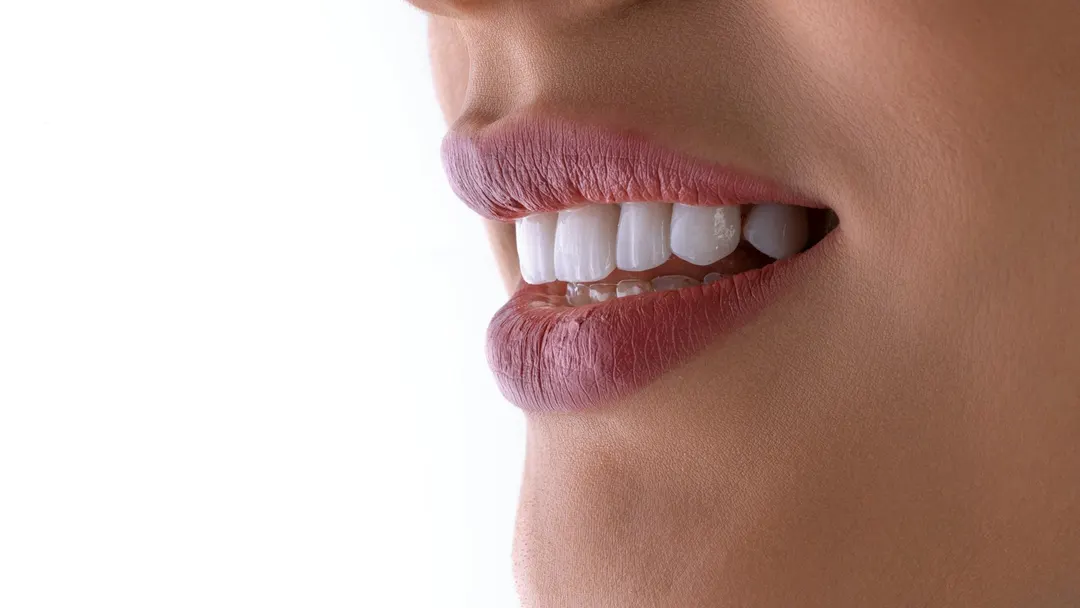
Photo by Kamal Hoseinianzade on Unsplash
Professional teeth whitening can often keep your smile visibly brighter for a year or more, while over-the-counter strips and gels tend to fade within a few months. The real answer depends on the method you use, what you eat and drink, and how well you care for your teeth afterward. Here's what actually determines how long your results hold up — and how to stretch them as long as possible.
Why There's No Single Answer
Whitening doesn't change your enamel permanently — it lifts stains that have built up on and inside the tooth surface. New staining begins accumulating again as soon as you finish treatment, which is why "how long it lasts" really means "how long until new stains become noticeable again." That timeline is different for every patient because it depends on the strength of the whitening method, your natural enamel, and your daily habits.
Professional vs. At-Home Whitening: How the Timelines Compare
The method you choose has the biggest impact on how long your bright smile lasts. Here's a general comparison:
| Method | Typical Results | General Longevity |
|---|---|---|
| In-office professional whitening | Noticeably brighter, dentist-supervised | Often a year or longer |
| Dentist-provided take-home trays | Gradual, even whitening | Several months to a year |
| Over-the-counter strips or gels | Mild to moderate | A few months |
| Whitening toothpaste | Surface stain removal only | Ongoing, with regular use |
These are general patterns, not guarantees — your own results depend on your teeth and habits. If you're weighing whitening against a more permanent cosmetic option, porcelain veneers resist staining altogether since they're custom-fabricated from stain-resistant material, though they involve a different level of commitment than a whitening treatment.
What Happens During a Professional Whitening Visit
An in-office whitening appointment typically starts with a quick exam to confirm whitening is a good fit for your teeth and that any decay or gum concerns are addressed first — whitening over an untreated cavity or exposed root surface can cause discomfort. Your dentist or hygienist protects your gums, then applies a professional-strength whitening gel to your teeth for a series of timed intervals, checking your progress along the way. Because the process is supervised, the concentration and exposure time can be adjusted in real time if you experience sensitivity, which is one reason in-office treatment tends to deliver both stronger and more predictable results than doing it alone at home.
Many patients leave with a take-home kit as well, so they can maintain their results with periodic touch-ups between office visits. Combining an in-office treatment with an occasional take-home touch-up is one of the more effective ways to keep a bright smile going for the long haul.
6 Factors That Determine How Long Your Results Last
1. Diet and drinks
Coffee, tea, red wine, dark sodas, and berries are the most common causes of new staining. Rinsing with water after these, or using a straw for dark beverages, slows the return of discoloration.
2. Tobacco use
Smoking and other tobacco products stain teeth quickly and can shorten whitening results significantly compared to non-users.
3. Oral hygiene habits
Consistent brushing, flossing, and professional cleanings remove surface buildup before it has a chance to set in, helping your whitened smile stay brighter longer.
4. Natural enamel and tooth structure
Some patients have naturally more porous enamel, which absorbs stains faster. Your dentist can tell you what to expect based on your specific teeth.
5. Whitening strength and method
Higher-concentration, professionally supervised treatments tend to penetrate stains more thoroughly than milder over-the-counter products, which often translates into longer-lasting brightness.
6. Age of existing dental work
Whitening only affects natural tooth enamel — it does not change the color of crowns, veneers, or fillings. If you have visible restorations, ask your dentist how whitening will affect the overall appearance of your smile. See our guide on how long a dental crown lasts if you're weighing whitening alongside other restorative work.
A Simple Habit That Helps
Treat coffee, tea, and red wine the way you'd treat anything that could stain a white shirt: rinse with water right after. It's a small habit that meaningfully slows new staining between whitening treatments.
Signs It's Time for a Touch-Up
Most patients notice their smile gradually dulling rather than fading all at once. Common signs it may be time to consider a touch-up include:
- Teeth look noticeably more yellow in photos than they used to.
- You can see a color difference between your teeth and any white fillings, crowns, or veneers.
- Your last whitening treatment or touch-up was more than a year ago.
Before repeating whitening on your own, it's worth having your dentist confirm that discoloration is surface staining and not a sign of an underlying issue like decay, an old filling, or enamel wear.
How to Make Your Whitening Results Last Longer
- Wait before eating or drinking anything dark-colored for a day or two right after treatment, when teeth are most porous and prone to staining.
- Use a straw for coffee, tea, and dark sodas to limit contact with your front teeth.
- Keep up with cleanings every six months (or as your dentist recommends) to remove buildup before it stains.
- Ask about take-home trays for occasional maintenance touch-ups between full treatments.
- Avoid tobacco, which stains teeth faster than almost anything else.
Is It Safe to Whiten Repeatedly?
Whitening performed or supervised by a dentist is generally considered safe when used as directed, but it isn't meant to be done indefinitely without guidance. Overuse of whitening products can increase tooth sensitivity or irritate gum tissue. Your dentist will advise how often repeat treatment makes sense for your teeth, and can check that whitening remains the right choice for you at your regular exams.
If you experience ongoing sensitivity during or after whitening, tell your dental team — there are often ways to adjust the treatment or use desensitizing products to make future whitening more comfortable.
Getting a Brighter Smile That Lasts
At American Dental Group, our cosmetic dentistry team offers professional whitening tailored to your teeth, along with guidance on maintaining results long after treatment. Dr. Homan Hanasab and our team can also help you decide whether whitening, professional teeth whitening, or a different cosmetic option best fits your goals for your smile.
Book a whitening consultation with American Dental Group today and find out what a brighter, longer-lasting smile could look like for you.
Frequently Asked Questions
How long does professional teeth whitening last?
Results from an in-office whitening treatment can often last a year or more before noticeable fading returns, though this varies widely based on your diet, oral hygiene, and habits like smoking or drinking coffee, tea, or red wine. Because professional whitening uses a stronger, dentist-supervised bleaching agent, results tend to be brighter and longer-lasting than store-bought options. Your dentist can give you a more personalized estimate based on your teeth and lifestyle.
How long do at-home whitening kits and strips last?
Over-the-counter strips and gels generally produce more modest results that fade faster than professional treatment, often within a few months. Take-home trays custom-fitted by your dentist tend to outperform generic drugstore kits because they hold the whitening gel evenly against every tooth surface.
What causes whitening results to fade faster?
Dark-colored foods and drinks such as coffee, tea, red wine, and berries, along with tobacco use, are the most common culprits behind faster staining. Poor oral hygiene, skipping regular cleanings, and naturally porous enamel can also cause a whitened smile to dull more quickly.
Does teeth whitening damage tooth enamel?
When performed or supervised by a dentist using an appropriate concentration and exposure time, teeth whitening is not intended to damage enamel. Some patients experience temporary tooth sensitivity or gum irritation during or after treatment, which typically resolves on its own. Whitening under a dentist's guidance allows any sensitivity to be monitored and managed safely.
How can I make my whitening results last longer?
Brushing twice daily, flossing, rinsing after dark-colored foods or drinks, avoiding tobacco, and keeping up with routine dental cleanings all help preserve whitening results. Many patients also extend their results with an occasional touch-up treatment or dentist-provided take-home trays used every few months.
How often can I safely whiten my teeth again?
There is no universal answer, since it depends on the whitening method used, your enamel, and how quickly your results fade. Your dentist will advise how often it is appropriate to repeat treatment for your specific case, and can check that whitening remains a good option at each visit.