
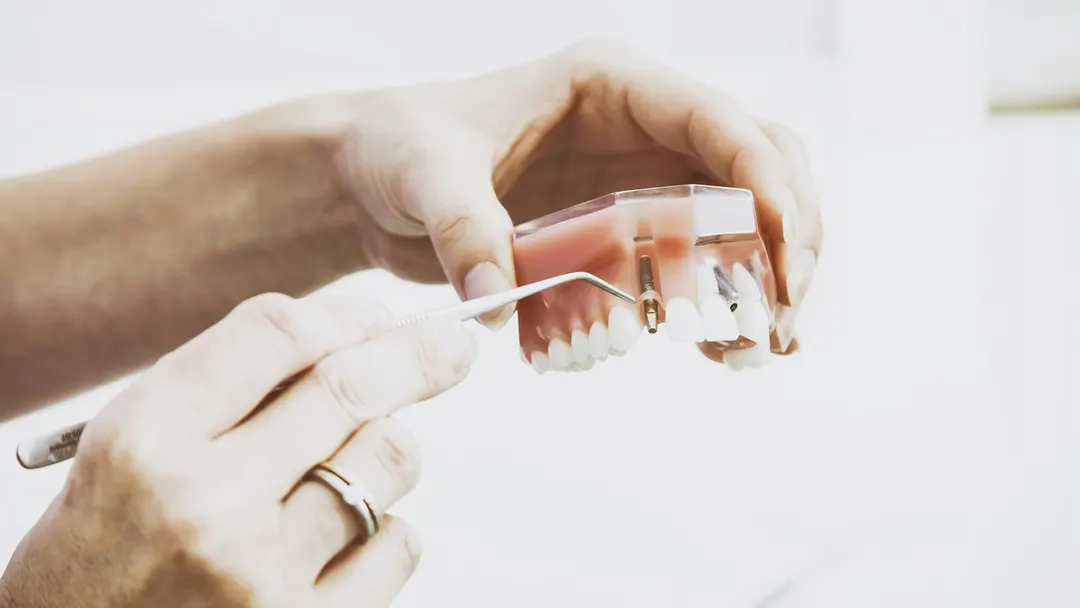
Photo by Peter Kasprzyk on Unsplash
A dental crown is typically recommended when a tooth has lost too much healthy structure for a filling to support — usually because of a large cavity, a crack, heavy wear, or treatment like a root canal. The crown fits over the entire visible part of the tooth like a cap, restoring its strength, shape, and bite. If your dentist has mentioned a crown, or you're wondering whether a cracked or heavily filled tooth needs one, here's how to recognize the signs and what the process generally involves.
Crowns are one of the most common restorative procedures in dentistry, and for good reason: when a tooth is too compromised for a simple filling, a crown is often what stands between saving the natural tooth and losing it. Here's what we look for at our West Covina office, the materials available, and what to expect from your first visit through the final fit.
What Is a Dental Crown?
A dental crown is a custom-made cap that covers the entire visible portion of a tooth, from the gumline up. Unlike a filling, which repairs a specific area of decay or damage, a crown rebuilds and protects the whole tooth, helping distribute bite force evenly and sealing out bacteria. According to the American Dental Association, dentists commonly recommend a crown to strengthen a tooth with a large filling when there isn't enough natural structure left to hold it, to protect a weak or cracked tooth, to cover a discolored or poorly shaped tooth, or to anchor a bridge or cover a dental implant.
Signs You Might Need a Dental Crown
Your dentist will confirm with an exam and X-rays, but these are the situations that most often lead to a crown recommendation.
1. A cavity too large for a filling
When decay removes enough of a tooth's structure, there may not be enough healthy tooth left for a filling to bond to or hold up under normal chewing pressure. A crown covers and reinforces what remains, which is often more durable than stretching a filling past what it can reasonably support.
2. A cracked or fractured tooth
A crack that extends below the surface can worsen with every bite if it's left uncovered. If you've recently chipped or cracked a tooth, a crown is one of the most common ways to stabilize it and prevent the crack from spreading toward the root.
3. After a root canal
Root canal treatment removes infected tissue from inside a tooth, which can leave it more brittle than before. A crown placed afterward protects the tooth from fracturing under everyday bite force, letting you use it normally again.
4. Significant wear from grinding or erosion
Years of grinding, clenching, or acid erosion can wear teeth down to the point where their shape and height are compromised. If you wake up with a sore jaw or notice your teeth look shorter or flatter than they used to, it's worth asking whether a night guard could prevent further damage, since a crown addresses existing wear but doesn't stop new grinding on its own.
5. A large, failing filling
Fillings don't last indefinitely, and a large one that's cracking, leaking, or pulling away from the tooth puts the whole tooth at risk of a new cavity underneath it. Replacing it with a crown instead of another filling is often the more reliable long-term fix once a filling reaches a certain size.
6. Supporting a bridge or covering an implant
Crowns aren't only used on natural teeth. They also anchor a fixed bridge to the teeth on either side of a gap, and they cap a dental implant to recreate the visible, functioning tooth on top of the implant post.
A Lingering Toothache Can Be an Early Clue
If a tooth has started aching more than usual, especially with chewing, it's worth a prompt exam rather than waiting to see if it passes. Our guide to common toothache causes can help you figure out whether what you're feeling fits this pattern.
Types of Dental Crown Materials
Several materials are used for crowns today, and the right one for you depends on the tooth's location, how much bite force it handles, and how important a natural appearance is for that spot in your smile. We'll walk through the options and factors with you at your consultation rather than making the choice for you.
- All-ceramic or porcelain: Closely matches the color and translucency of natural teeth, making it a common choice for front teeth and visible areas.
- Zirconia: A strong, durable ceramic material often used for back teeth that handle heavier chewing forces, while still offering a reasonably natural look.
- Porcelain-fused-to-metal (PFM): Combines a metal substructure for strength with a porcelain outer layer for appearance, a long-standing option that balances durability and esthetics.
- Gold or metal alloy: Highly durable and gentle on opposing teeth, sometimes recommended for molars where appearance matters less than longevity.
What to Expect During the Crown Procedure
A traditional crown is usually completed over two visits:
- Exam and imaging: We examine the tooth, take X-rays if needed, and confirm a crown is the right fit before moving forward.
- Preparation: The tooth is numbed, any decay or damaged structure is removed, and the tooth is reshaped to make room for the crown.
- Impression or digital scan: We capture the exact shape of your prepared tooth and surrounding bite so the crown is custom-made to fit.
- Temporary crown: A temporary crown protects the tooth while your permanent one is fabricated, usually by a dental lab.
- Final placement: At your second visit, the temporary is removed, the permanent crown is checked for fit and color match, and it's cemented in place. We'll check your bite before you leave to make sure everything feels comfortable.
Some practices offer same-day crowns milled in-office from a digital scan, which can shorten this to a single visit. Ask us at your consultation whether that option fits your specific case.
Recovery and Adjusting to Your New Crown
Mild soreness or sensitivity to hot and cold in the days after your appointment is common, particularly around the gumline, and it typically eases as the area settles. Over-the-counter pain relief is usually enough to manage it, and most people are back to eating normally within a short time. If a temporary crown feels loose, falls off, or your bite feels noticeably off after the permanent crown is placed, call our office — adjustments are a normal part of getting a crown to feel right.
How Long Will Your Crown Last?
Crown longevity varies by material, location in the mouth, and how well it's cared for, but general patient guidance from Cleveland Clinic and MedlinePlus puts the typical range at roughly 5 to 15 years, with many crowns lasting well beyond that when they're well maintained. For a closer look at what affects a crown's lifespan and the early signs that one may need attention, see our guide on how long dental crowns actually last.
Protecting Your Crown Long-Term
A few habits go a long way toward getting the most out of a new crown: keep up with regular brushing and flossing around the restoration just as you would a natural tooth, avoid biting down on ice or very hard foods, and mention any jaw soreness or teeth grinding to us, since a night guard can protect both your crown and your remaining natural teeth from excess force. Routine checkups also let us catch a loose or worn crown early, before it leads to a bigger problem underneath.
If a tooth has been bothering you, or your dentist has mentioned a crown and you'd like a second opinion, we're happy to take a look and walk you through your options.
Request an appointment with American Dental Group or call (626) 337-7271 to have the tooth evaluated.
Frequently Asked Questions
How do I know if I need a dental crown?
Common signs include a cavity too large for a filling to support, a cracked or fractured tooth, a tooth that's just had root canal treatment, heavy wear from grinding, or a large old filling that's failing. Your dentist will confirm with an exam and X-rays, since some of these situations can also be managed with a filling or other restoration depending on how much healthy tooth structure remains.
Does getting a dental crown hurt?
The tooth is numbed with local anesthetic before any shaping or preparation, so most patients feel pressure rather than pain during the appointment. Mild soreness or sensitivity in the days after your visit is common and usually manageable with over-the-counter pain relief. Your dentist will advise you on what to expect for your specific case.
How long does the crown procedure take?
A traditional crown typically takes two visits. The first appointment, for preparing the tooth and taking an impression or digital scan, usually runs about an hour, and you'll wear a temporary crown while the permanent one is custom-made. The second visit, to cement the final crown and check your bite, is generally shorter. Some practices offer same-day crowns milled in-office, which can shorten this to a single visit.
Can a cavity be too big for a filling?
Yes. When decay removes enough of a tooth's structure, a filling may not leave enough healthy tooth left to bond to or support normal biting forces. In that case a crown, which covers and reinforces the entire visible tooth, is often the more durable option. Your dentist will evaluate the size and location of the cavity to recommend the right restoration.
Do dental implants need crowns too?
Yes. A dental implant replaces the tooth root, but a crown is what attaches on top to recreate the visible, functioning tooth. The crown is custom-made to match the size, shape, and color of your surrounding teeth so the implant blends in with your natural smile.
What's the difference between a crown and a veneer?
A veneer is a thin shell bonded to the front surface of a tooth, mainly for cosmetic changes like shape or color, and it preserves more of the natural tooth. A crown covers the entire tooth above the gumline and is used when a tooth needs structural reinforcement, not just a cosmetic update. Your dentist can help determine which is appropriate based on how much the tooth needs to be strengthened versus how it looks.